


The Impact of Colors on Event Atmosphere: A Guide for Decorators
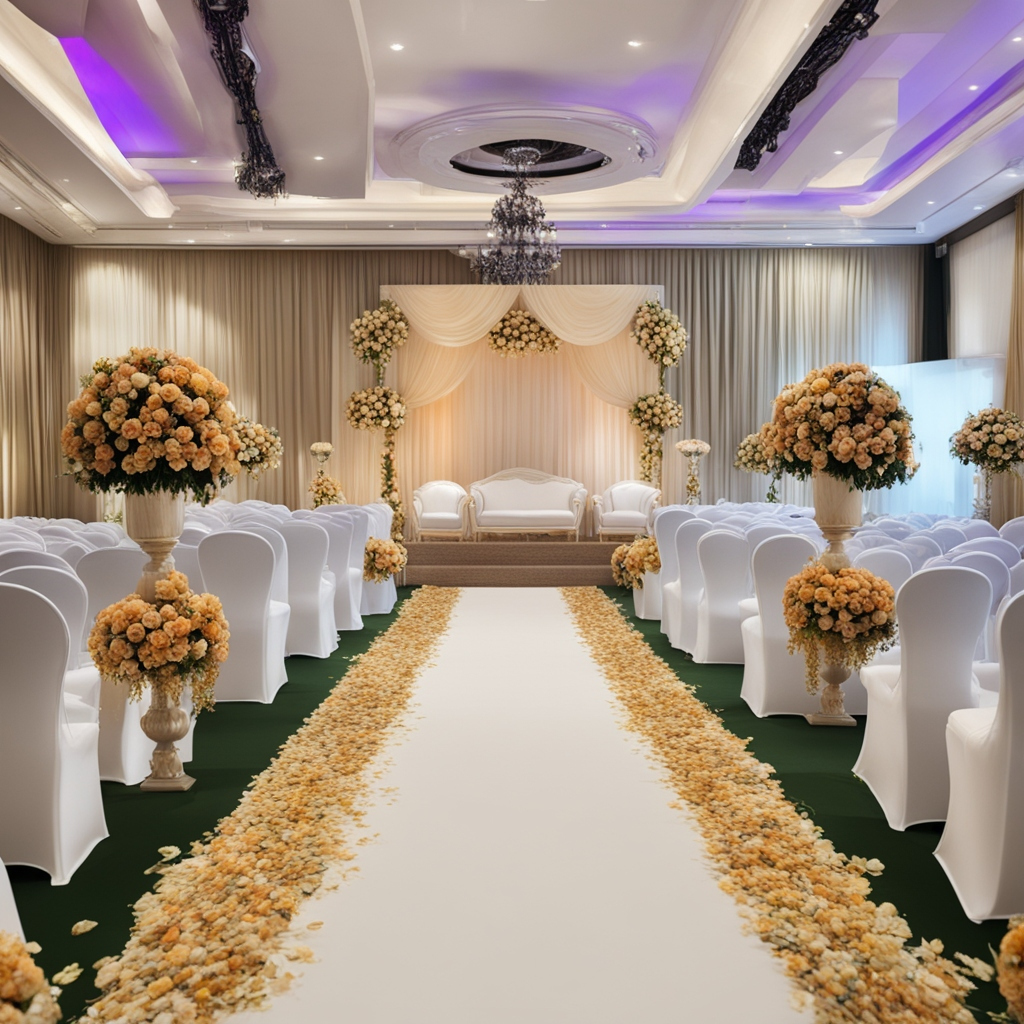
01 Jan, 2024 | Decoration professionals
Color is a powerful design element that plays a significant role in shaping the atmosphere of any event. From weddings and corporate functions to birthday parties and cultural celebrations, the choice of colors can evoke emotions, set the mood, and create a lasting impression on attendees. As event decoration professionals, understanding the psychological and cultural aspects of colors is essential for crafting unforgettable experiences. In this comprehensive guide, we'll explore the impact of colors on event atmosphere and provide valuable insights for decorators.
1. The Psychology of Colors:
Colors have the ability to influence our emotions and perceptions. Each color carries its own psychological associations, making it crucial for decorators to consider the intended atmosphere of the event. For instance:
- Red: Evokes passion, energy, and excitement. Ideal for lively events and celebrations.
- Blue: Represents calmness, trust, and professionalism. Suitable for corporate and formal gatherings.
- Green: Symbolizes nature, growth, and harmony. Great for eco-friendly or outdoor events.
- Yellow: Radiates positivity, warmth, and optimism. Perfect for uplifting and cheerful occasions.
- Purple: Conveys luxury, sophistication, and creativity. Often used in elegant or artistic events.
Understanding the psychology of colors allows decorators to align the chosen color palette with the desired ambiance, creating a harmonious and visually pleasing environment.
2. Cultural Significance:
Colors carry diverse meanings across cultures, and being aware of these cultural associations is crucial for decorators working on multicultural events. For example:
- White: Symbolizes purity and innocence in Western cultures but signifies mourning in some Asian cultures.
- Red: Represents luck and prosperity in Chinese culture but can symbolize danger or warning in other contexts.
- Gold: Associated with wealth and prosperity in many cultures, making it a popular choice for celebratory events.
Considering the cultural significance of colors ensures that decorators respect traditions and create an inclusive atmosphere that resonates with diverse audiences.
3. Creating a Balanced Color Palette:
While it's essential to understand the impact of individual colors, creating a balanced color palette is equally important. Too much of one color can be overwhelming, while a lack of variety may lead to a monotonous atmosphere. Decorators should consider:
- Primary Color Dominance: Choosing a dominant color that sets the overall tone for the event.
- Secondary and Accent Colors: Adding complementary colors to enhance visual interest and prevent monotony.
- Neutral Elements: Incorporating neutral tones to provide a backdrop and balance vibrant colors.
A well-balanced color palette contributes to a visually appealing and cohesive event design.
4. Seasonal Considerations:
The time of year can significantly influence color choices for events. Seasonal color schemes not only reflect the current environment but also connect attendees to the time of the celebration. For example:
- Spring: Pastels and vibrant greens evoke the freshness and blooming flowers of the season.
- Summer: Bright and bold colors create a lively and energetic atmosphere.
- Autumn: Earthy tones and warm hues capture the essence of falling leaves and harvest.
- Winter: Cool blues, silvers, and whites evoke a sense of winter wonderland and holiday spirit.
Adapting color choices to the season enhances the thematic coherence of the event, making it more immersive for attendees.
5. Lighting Effects on Colors:
The impact of colors is not solely dependent on the chosen hues but also on how they are illuminated. Lighting plays a crucial role in enhancing or altering the perceived colors in any event space. Decorators should consider:
- Warm vs. Cool Lighting: Warm lighting complements earthy tones, while cool lighting enhances blues and greens.
- Accent Lighting: Using focused lighting to highlight specific elements or create focal points.
- Color Changing Lighting: Incorporating dynamic lighting effects to add versatility and adaptability to the event atmosphere.
Experimenting with lighting allows decorators to create a dynamic and visually captivating environment that evolves throughout the event.
6. Personalization and Branding:
For corporate events, brand identity often plays a central role in color choices. Integrating company colors into the event decor helps reinforce brand recognition and creates a cohesive experience for attendees. Personalizing events through color choices can also be applied to weddings, birthdays, and other private celebrations, reflecting the individual style and preferences of the hosts.
Conclusion:
In the world of event decoration, color is a tool of expression and emotion. By understanding the psychology, cultural significance, and practical considerations of colors, decorators can transform any space into a captivating and memorable environment. The careful selection and thoughtful combination of colors contribute to the overall success of an event, leaving a lasting impression on attendees and ensuring a harmonious atmosphere that aligns with the event's purpose and theme. As decorators, embracing the art and science of color allows us to elevate the visual experience and craft events that resonate with the hearts and minds of those in attendance.