


Choosing the Perfect Venue for Your Event: A Comprehensive Guide
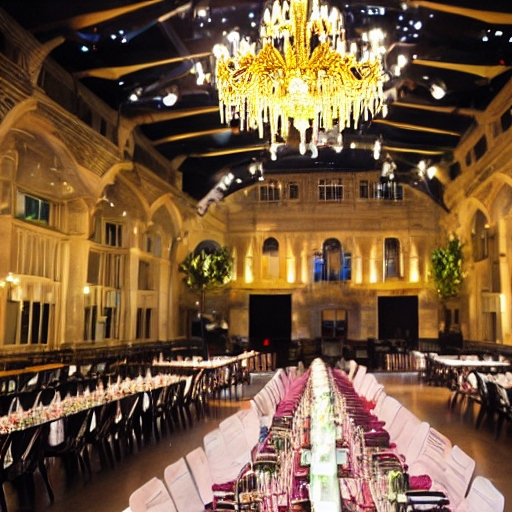
14 Feb, 2024 | Event management
Organizing an event, whether it's a wedding, corporate conference, or a social gathering, involves meticulous planning and decision-making. One of the most critical decisions you'll make is selecting the right venue. The venue sets the tone for the entire event and can significantly impact its success. In this comprehensive guide, we'll explore the key factors to consider when choosing the perfect venue for your event.
1. Define Your Event's Purpose and Goals:
Before diving into venue options, it's crucial to clearly define the purpose and goals of your event. Understanding the nature of the event will help you narrow down potential venues based on their suitability for your specific needs. For example, a business conference may require a different setting than a wedding or a product launch.
2. Know Your Budget:
Establishing a realistic budget is fundamental to the event planning process. Determine how much you can allocate for the venue, keeping in mind additional costs such as catering, decorations, and audiovisual equipment. Be transparent about your budget when negotiating with venues to ensure you get the best value for your money.
3. Consider Location and Accessibility:
The venue's location plays a significant role in the overall experience for your attendees. Consider factors such as proximity to transportation hubs, accommodation options, and the convenience for your guests. Ensure that the venue is easily accessible, and provide clear directions and information for attendees.
4. Capacity and Layout:
Understanding the number of guests you expect is crucial for selecting a venue with the appropriate capacity. The venue should comfortably accommodate your guests while adhering to safety regulations. Additionally, consider the layout of the space – does it allow for easy navigation, and is there enough room for your planned activities and amenities?
5. Amenities and Services:
Different events require different amenities and services. Evaluate what each venue offers in terms of catering, audiovisual equipment, seating arrangements, and additional services like event coordination. Some venues may provide all-inclusive packages, while others may require you to bring in external vendors. Choose a venue that aligns with your needs and reduces the logistical burden on your end.
6. Ambiance and Style:
The ambiance of a venue sets the mood for your event. Consider the style and atmosphere you want to create. Whether it's a formal business setting, a rustic outdoor wedding, or a trendy urban space, make sure the venue complements your event's theme. Pay attention to the decor, lighting, and overall aesthetic appeal.
7. Technical and Logistical Considerations:
Check the technical capabilities of the venue, including audiovisual equipment, lighting, and acoustics. Ensure that the venue has the necessary infrastructure to support your event's technical requirements. Additionally, inquire about logistical aspects such as load-in and load-out times, parking facilities, and any restrictions or regulations imposed by the venue.
8. Flexibility and Customization:
Flexibility is crucial when selecting a venue. Find out if the venue allows for customization and if they have experience hosting events similar to yours. Some venues may have restrictions on decorations, catering, or entertainment, so be clear about your expectations and ensure that the venue can accommodate them.
9. Reputation and Reviews:
Research the reputation of potential venues by reading reviews and testimonials from previous clients. A venue with positive feedback is more likely to provide a positive experience for your event. Additionally, ask for references and contact previous clients to gain insights into their overall satisfaction and any potential challenges they faced.
10. Visit Potential Venues:
Once you've shortlisted potential venues based on the criteria mentioned above, schedule site visits. Walking through the space allows you to visualize how your event will unfold and assess the venue's condition. Take note of any potential challenges or advantages each venue presents and ask detailed questions to the venue staff during your visit.
Conclusion:
Choosing the right venue is a pivotal decision in the event planning process. By carefully considering factors such as purpose, budget, location, amenities, ambiance, and logistical considerations, you can ensure that the venue aligns with your vision and contributes to the success of your event. Remember, the right venue sets the stage for a memorable and seamless experience for both you and your attendees.